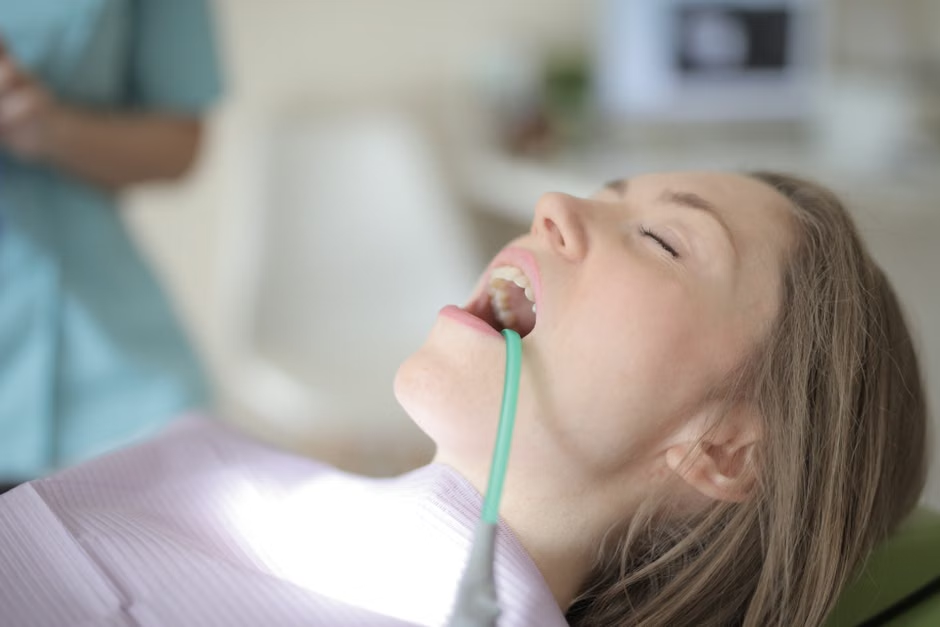
As more patients pay attention to the relationship between oral health, materials, lifestyle, and overall wellness, dental care is expanding beyond simply treating cavities or replacing damaged teeth. Non-toxic dental care reflects an approach that asks an important question: can oral health be supported while limiting unnecessary exposure to materials or ingredients that a patient may prefer to avoid?
Rather than focusing on a single product or claiming that every conventional dental material is harmful, this approach emphasizes informed decisions, prevention, biocompatibility, and personalized treatment. It can include everyday hygiene choices as well as conversations with a dentist about restorative materials, mercury-containing amalgam, and minimally invasive treatment options.
Understanding the Biological Perspective
The concept behind non-toxic dental care is closely related to biological dentistry. A biological dentist considers the mouth as part of the body rather than treating oral health as an isolated system. This means evaluating the condition of the teeth and gums while also considering the materials used during treatment and the patient’s individual needs.
Biological dentistry does not mean replacing evidence-based dental treatment with unproven natural remedies. Instead, it can involve choosing materials with favorable biocompatibility profiles when appropriate, reducing unnecessary exposure, and using conservative techniques whenever they can provide effective clinical results.
This perspective is particularly relevant for patients who are interested in mercury-free dentistry, metal-free restorations, or materials selected according to their personal concerns and clinical circumstances.
Why Dental Materials Matter
Every restorative material has properties that need to be considered. Dental amalgam, for example, contains approximately 50% mercury by weight, combined with metals such as silver, tin, and copper. Major dental organizations continue to recognize amalgam as an effective restorative material for many patients, while the World Health Organization supports a phase-down of dental amalgam and promotes mercury-free alternatives.
For patients exploring non-toxic dental care, the question is therefore not simply whether a material is approved for general use. It is also whether another clinically appropriate material can meet the treatment goal while aligning better with the patient’s preferences and approach to health.
A biological dentist may discuss mercury-free alternatives and explain the advantages and limitations of each option. This patient-centered conversation can be especially valuable when an existing restoration is damaged, requires replacement, or needs to be evaluated for another clinical reason.

Choosing Biocompatible Materials
Biocompatibility is an important consideration in biological dentistry. The goal is not to assume that a product labeled natural is automatically safer or that every synthetic material is harmful. Instead, material selection should consider how a dental material functions in the oral environment and whether it is appropriate for the specific treatment.
Modern dentistry offers several mercury-free restorative options, including resin-based composites and glass ionomer materials. The WHO notes that mercury-free materials have improved in areas such as durability, appearance, and biocompatibility, although no single material is appropriate for every clinical situation.
For someone interested in non-toxic dental care, this means looking beyond marketing labels. A qualified dental professional can help determine which material provides the right balance of function, durability, aesthetics, and clinical suitability.
Everyday Habits That Support Oral Health
Non-toxic dental care should not distract from the fundamentals of preventive dentistry. Brushing twice daily with an appropriate toothpaste, cleaning between the teeth, maintaining regular dental visits, and addressing dental problems early remain essential.
Diet also plays an important role. Frequent consumption of sugary or acidic foods and beverages can increase the risk of dental decay and erosion. Drinking water, maintaining balanced meals, and limiting frequent snacking can support the teeth and gums without requiring complicated products.
What About Fluoride?
Fluoride is one area where patients often encounter conflicting information. Evidence supports fluoride as an effective tool for preventing dental caries, and recommendations vary according to age, risk, location, and individual circumstances.
Patients interested in non-toxic dental care should discuss fluoride with their dentist rather than assuming that removing it from a routine is appropriate for everyone. A biological or holistic approach can still include evidence-based prevention while respecting patient preferences and evaluating individual risk.
The most useful goal is not to follow a trend blindly, but to understand why a particular ingredient is being recommended or avoided.
Mercury-Free Dentistry and Amalgam Replacement
Patients with existing amalgam restorations may wonder whether they should have them removed simply because they contain mercury. Current evidence does not support routine removal of clinically acceptable amalgam solely to prevent systemic disease in the general population.
At the same time, patients may have legitimate reasons to discuss replacement with their dentist, such as a failing restoration, recurrent decay, fracture, aesthetic concerns, or a personal preference for mercury-free materials. If removal is clinically appropriate, the procedure should be planned carefully to minimize exposure during treatment.
For non-toxic dental care, treatment decisions should be individualized rather than based on a one-size-fits-all rule. The dentist evaluates the tooth, discusses available materials, explains the benefits and limitations, and helps the patient make an informed decision.
Why Professional Guidance Matters
Online searches can make dental care confusing. One website may describe a natural ingredient as a universal solution, while another may warn against an ingredient that mainstream dentistry considers useful. Patients need context to separate reasonable precautions from unsupported claims.
A biological dentist can help create a treatment plan based on prevention, clinical findings, material selection, and the patient’s priorities. The goal is to protect oral health while considering whether less invasive or mercury-free options are appropriate.
Good non-toxic dental care should therefore involve more than purchasing different toothpaste or toothbrushes. It should encourage thoughtful conversations about treatment choices and help patients understand what is actually being placed in their mouths.
How Odontomedik Approaches Biological Dentistry
For patients looking for non-toxic dental care in Tijuana, choosing the right dental team can make the process much easier. Odontomedik takes a biological dentistry approach centered on personalized care, thoughtful material selection, and treatments designed to support oral health while respecting the patient’s broader wellness goals.
As a biological dentist in Tijuana, Odontomedik is an option for patients who want to explore mercury-free alternatives, biocompatible materials, and a more comprehensive approach to dental treatment. The focus is not on making blanket promises about toxins or claiming that one material is ideal for everyone. Instead, the goal is to evaluate each patient’s needs and explain appropriate options clearly.
If you are considering replacing amalgam restorations, exploring biocompatible materials, or simply want a dental routine that better reflects your health priorities, a consultation can help you understand your choices. Odontomedik can evaluate your oral health, discuss available treatment approaches, and create a plan based on your specific circumstances.
Building a Smarter Approach to Dental Health
Ultimately, non-toxic dental care is best understood as an informed, individualized approach rather than a checklist of products. It encourages prevention, careful material selection, professional guidance, and realistic expectations.
You do not have to change every part of your dental routine at once. Start by understanding your current products, asking questions about materials used in treatment, and discussing concerns with a qualified dentist. When clinical needs and personal preferences are considered together, dental care can become more intentional without sacrificing proven oral health practices.
For patients seeking biological dentistry in Tijuana, Odontomedik offers an opportunity to approach dental treatment with this philosophy in mind. A personalized consultation can help you determine which options make sense for your teeth, gums, lifestyle, and treatment goals.